Virginia Home Grown
Pumpkins and Fall Gourds
Clip: Season 26 Episode 8 | 7m 28sVideo has Closed Captions
Discover the huge variety of pumpkins and other fall gourds available to growers today!
Dr. Robyn Puffenbarger explores Pick-a-Peck Pumpkin Patch in Broadway with Holly Coffman to learn about the many varieties of pumpkins and gourds they grow and get tips for cultivating them at home. Featured on VHG episode 2608, October 2026.
Problems playing video? | Closed Captioning Feedback
Problems playing video? | Closed Captioning Feedback
Virginia Home Grown is a local public television program presented by VPM
Virginia Home Grown
Pumpkins and Fall Gourds
Clip: Season 26 Episode 8 | 7m 28sVideo has Closed Captions
Dr. Robyn Puffenbarger explores Pick-a-Peck Pumpkin Patch in Broadway with Holly Coffman to learn about the many varieties of pumpkins and gourds they grow and get tips for cultivating them at home. Featured on VHG episode 2608, October 2026.
Problems playing video? | Closed Captioning Feedback
Where to Watch Virginia Home Grown
Virginia Home Grown is available to stream on pbs.org and the PBS app.
Providing Support for PBS.org
Learn Moreabout PBS online sponsorship>>Holly, we're here in the pumpkin patch with so many varieties.
I just don't remember as a kid having this kind of choice.
You went to the grocery store and it was orange and about the same shape and size, maybe a little bigger, a little smaller for your Jack-O-lantern, but there was not- >>The variety.
>>Warty, fun.
>>Yep, yep.
No, over the years, they have really started to evolve and selecting for those desired traits and things through cross-pollination.
And they've come up with some really, really cool varieties for folks to decorate their porches with.
>>Yeah and like you see this stacks.
I don't remember stacks.
I don't remember pumpkins that had that kind of flattened shape where you could do this and see all these great colors in just right up there.
>>Yeah.
And that's just a couple colors.
I mean, there's some bluish ones, some pinkish ones.
Yeah, the Cinderellas and the blue dolls.
All of those are really, really popular.
>>And then you have things like this.
Are these gourds?
>>Yes.
Yep.
So this is a lunch lady gourd.
So probably a lot of people remember them being a little bit smaller, but these are like the extra, extra large and these are so cool.
But yeah, the gourd variety has really changed also just, you know, from when we were little.
But yeah, so those, you wouldn't want to eat those.
That's not a good variety to eat.
Those aren't very fleshy.
>>So don't save those for after.
>>Don't save those.
You can dry them out and paint them or something, but other than that, no.
>>And the little ones, they're so cute.
There's like this whole variation.
I mean, 'cause like the classic pumpkin, this is what I remember as a kid.
>>Yeah.
>>That's the kind of pumpkin you got to make your jack-o-lantern.
>>The typical jack-o-lantern, yep.
>>And maybe we would scrape some seeds out and toast those up and eat those and enjoy that.
>>Yep and you still can with those.
And some of the other varieties make, you know, for good dried seeds.
>>And then, oh, this yellow, that is spectacular.
>>Mm hmm.
>>I just don't remember a yellow pumpkin ever until much more recently.
>>Right.
Yep.
And I've got some that are also kind of like a buckskin color that are this similar shape and size.
And like I said, the options and varieties are endless anymore.
>>When we were chatting, I was thinking to myself, when I, you know, pick my pumpkin that I'm gonna grow, 'cause I'm going to maybe grow some for some pumpkin pies or maybe some pumpkin soup, pumpkin bread.
I would have never picked this.
I would have always gone for the little pumpkin pie pies and the sweeties, but I had no idea that the peanut variety was gonna be a good choice for me.
>>Yeah, no, those are excellent.
It's a deep dark orange flesh that bakes down and cooks down really nicely and smooth, and those make perfect pumpkin pies and baked stuff in soups.
And so do the Kershaws, which is right next to it, which is a little bit of a lighter flesh, but also bakes down really nice.
And that's the squash variety of pumpkins and stuff.
>>I would have never guessed that don't get my little pie pumpkins, get one of those and my family.
Oh, and then here's another stack with the great colors showing up.
>>Those are very popular.
The Cinderellas, fairy tales, all, like I said, the blue dolls, all those are so popular for stacking.
>>So at home, I would be planting the pumpkins in little hills like I do my squash, but I'm suspecting you don't have quite that kind of labor intensive planting.
>>No.
>>How do you prepare for this kind of volume of pumpkins?
>>We have a spray company that comes in and they spray and kill all the weeds or anything that was starting to grow that spring.
And then we come in, we have a pumpkin planter and it puts the seeds in.
It spaces them out however far they're supposed to be planted every four feet.
And I believe it's on a two foot center.
So we come in, we do that, and then from there they take off and start to grow.
>>So how many seeds does it take to plant a pumpkin patch of this size?
>>Well, it depends on which variety you're using, but typically for this size patch, we're looking at five to 6,000 seeds.
>>Wow.
>>Yeah.
>>And so does that take buying from different companies to get all the different kinds of colors and shapes and sizes?
>>You can.
I typically buy from one specific company, but if they have a variety that I'm looking for that they don't carry, I'll go searching elsewhere for 'em.
>>And so all of them are going to grow to about the right size in that amount of time.
It's not like some of 'em take a whole lot longer than others.
>>Some varieties do, but with when we plant until we're open for folks to come in and start picking, usually they reach maturity by then.
If you go out there, you'll still find some little itty bitty ones, but those won't turn into anything anyway.
But yeah, so.
>>I did notice there's still a lot of flowers.
And so we haven't had our first frost, so they're still open and there are a lot of bees.
So these all require pollination from bees.
>>Yep.
That's how we get our pumpkins.
If we don't have our bees, we don't have any pumpkins.
So they play a big role.
>>Now, do you have to bring bees in or just the native bees and whatever honey bees are locally around, is that enough?
>>Yeah, typically that's enough.
Now we have ran into where we felt like we didn't get a good pollination and we had though about getting our own hives, but I'm not confident enough to take on that other thing.
So we're just gonna rely on other folks that have their hives and the native bees.
>>So how do people respond when they get to the pumpkin patch and see all of these varieties?
>>You know, you would think that it would just be the children that were the most excited, but I've got adults that are coming in there and when they come back out, they're so excited 'cause they found this really weird warty one or just this unique color.
So there's a lot of excitement coming into the pumpkin patch.
>>Yeah, I feel like it's like a treasure hunt.
No matter how many times you've done it before, you're always gonna find something a little different, a little new.
>>Yeah, definitely, 'cause like I said, one year they might be a certain way and it could be the exact same seed, but next year they look a little different.
>>And so when people are carrying them out, how are they using them?
They just kind of stacking them up like they see your decor here?
>>Oh, I'm sure.
Yeah.
But you know, the accessibility to the internet has opened all the possibilities and ideas for folks to decorate with.
But yeah, a lot of stacking pumpkins, we offer straw bales so then that they incorporate those straw bales and stack and arrange and all that stuff with them.
>>So if someone wanted to try to grow some pumpkins at home, what tips and tricks do you have for how to do this successfully?
>>Well, pumpkins like water, so you need to have a, well, they need lots of sun, so a nice sunny area.
A well, I guess drained soil type is best because they like water, but they don't like too much water.
If you get too much water, they're gonna rot on you.
So making sure they're well watered, but not too much.
And make sure that they're getting pollinated by the bees and they get some fungus on the leaves like powder, mildew and stuff.
So you might have to get some different sprays or something to keep that and like the squash beetles away and stuff.
But those would probably be the top things to look for when you're growing your own.
>>So you just mounded up the dirt up a little bit and put a few seeds in and see how it goes.
>>Yep.
Yep.
>>Excellent.
Well, thank you so much, Holly, for having us here to the Pumpkin Patch.
>>You're welcome.
>>It's just been gorgeous today and what a fun treasure hunt.
I can't wait to pick some pumpkins this fall.
>>Well, thanks for coming.
 New
Video has Closed Captions
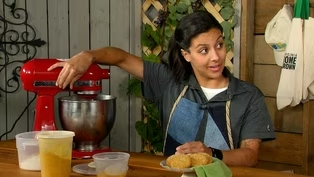
Clip: S26 Ep8 | 5m 41s | Get tips for packing pumpkin flavor into your fall treats! (5m 41s)
 New
Video has Closed Captions
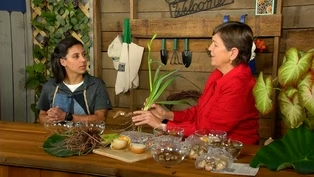
Clip: S26 Ep8 | 6m 52s | Learn the differences in bulbs, tubers and corms! (6m 52s)
 New
Video has Closed Captions
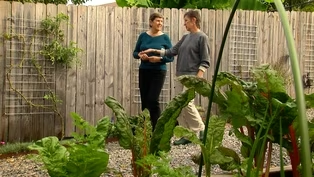
Clip: S26 Ep8 | 7m 41s | Explore a home garden in Richmond for practical tips on growing vegetables in the fall! (7m 41s)
 New
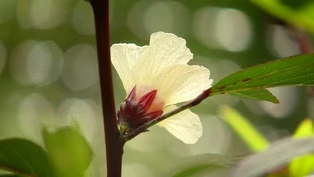
Harvesting Hibiscus & Lemongrass
Video has Closed Captions
Clip: S26 Ep8 | 3m 51s | Get tips for harvesting and storing fall produce from your garden! (3m 51s)
 New
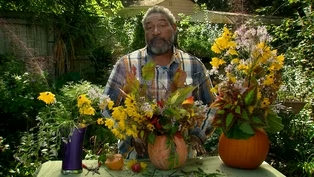
How to Make a Fall Flower Arrangement
Video has Closed Captions
Clip: S26 Ep8 | 3m 27s | Make a unique fall centerpiece inside a pumpkin! (3m 27s)
Providing Support for PBS.org
Learn Moreabout PBS online sponsorship









Support for PBS provided by:
Virginia Home Grown is a local public television program presented by VPM